The joy of a quarter life crisis
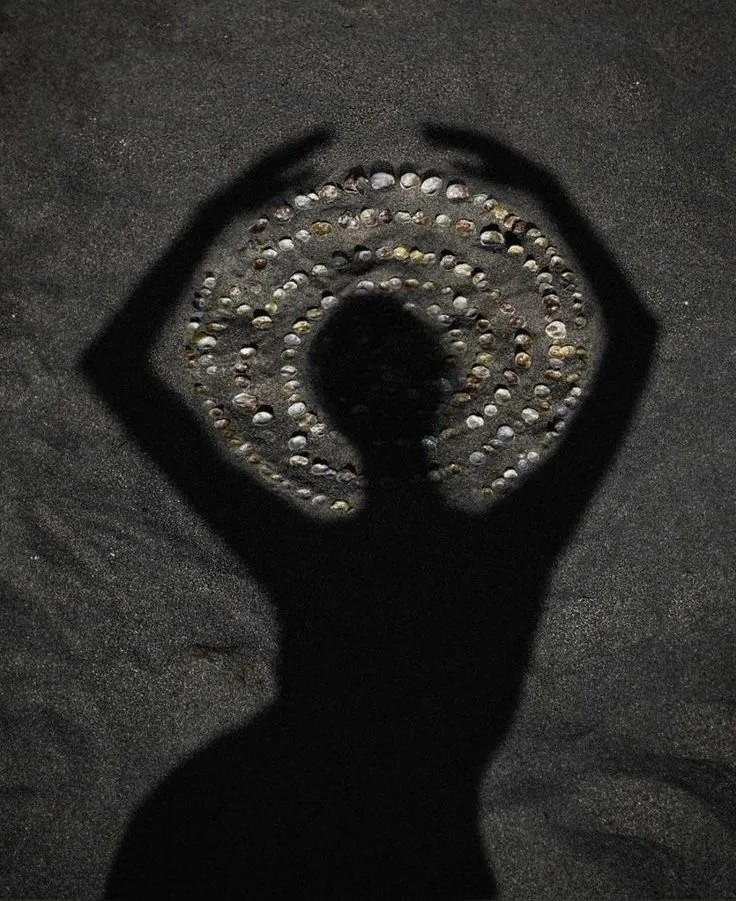
@anastasiia_aleksieieva
Growing up, I always wished I could be older. My sister is seven and a half years older than me, which in kid years, is practically a lifetime. Her friends were tall, wore lipgloss already and had real opinions. I was just…there. A decorative little child.
No one really asked me what I thought about anything. I fantasized about being taken seriously. About being older. Wiser. Important.
I dreamt of being in a crisp suit and stiletto heels. Coffee and smartphone in one hand. Newspaper and cigarette in the other. A woman with somewhere to be. I assumed that one day I would simply wake up and *feel* legitimate. That with age would come certainty and confidence – two things that felt very exciting to me as a child.
Then one day, I woke up and for some reason I was twenty-five. Everyone my age was suddenly:
Launching companies
Getting engaged
Buying homes
Going to law school
Running marathons
Going to Japan
Becoming famous for reasons entirely unrelated to skill
How disorienting.
Your mid-twenties are so strange because for the first time in your life, progress is rigidly subjective. There are no more report cards or GPAs. No one gives you an A- for doing laundry. Or for answering emails. Or for showing up to work and pretending to know what’s going on.
Somehow, you’re supposed to just go to bed every night and privately decide whether or not you did okay. That should be illegal.
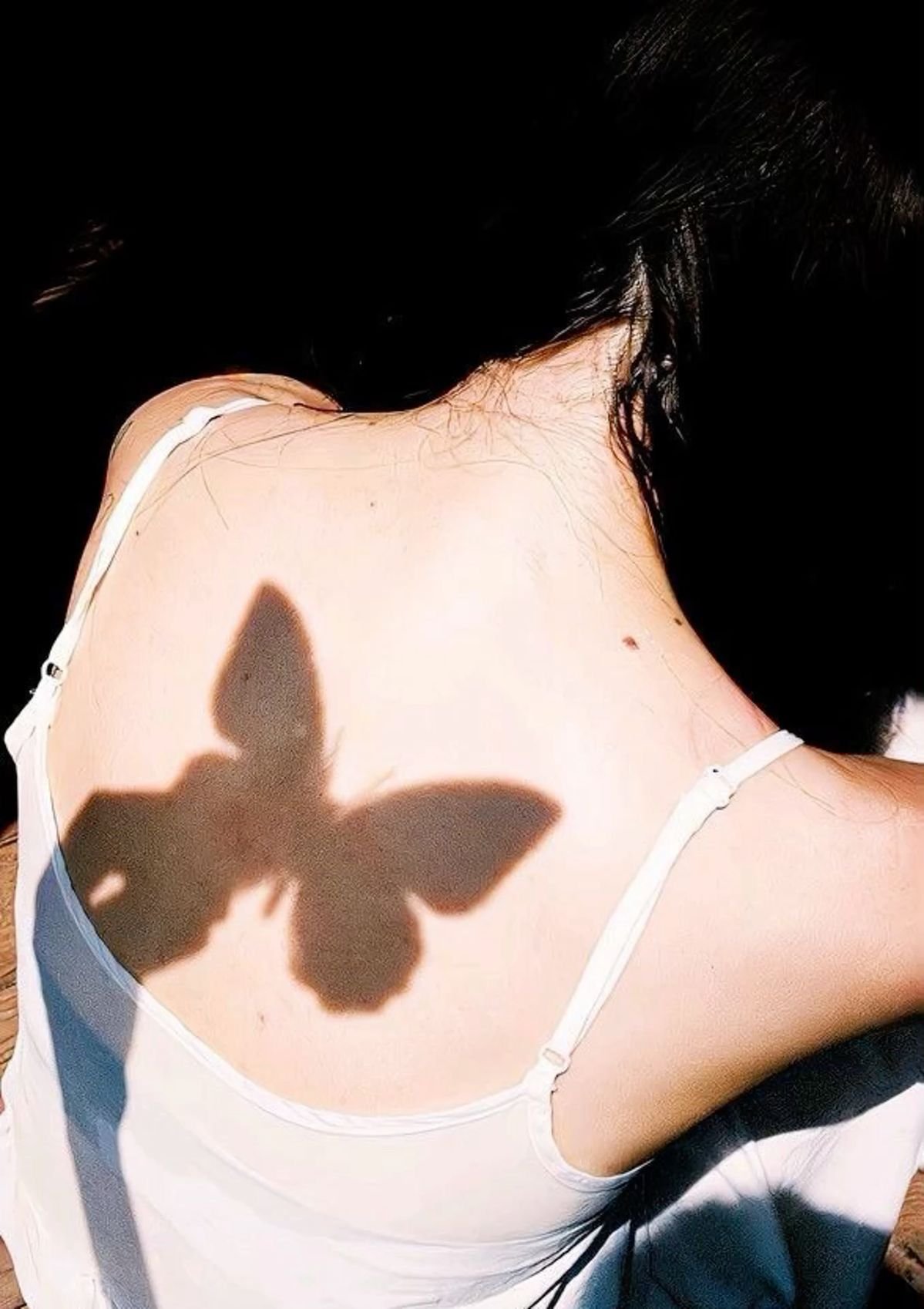
Being taken seriously turns out to be a lot less glamorous than I expected. Who gave me the permission to be in charge of deciding whether my life makes any sense? How am I supposed to be personally responsible for constructing meaning out of thin air?
Naturally, this type of thinking gets existential pretty quickly. I started asking myself questions that felt a little too big for a Tuesday afternoon.
My “quarter life-crisis” was internal and inconvenient. I began to crave structure. I wanted something that would objectively tell me if I was doing something right or not. I thought maybe if I went back to “school” for something, then maybe I could outsource my identity crisis to curriculum.
Yoga teacher training promised a container. Show up. Study. Practice. Do the hours. Pass. Refreshingly straightforward. And so, naturally, I started to spend my weekends learning about breathing and hamstrings. On paper it did not really make a lot of sense, which is probably why it felt like the first honest decision I’d made in a while.
I expected something mildly academic. Anatomy diagrams. Sanskrit vocabulary. Maybe a certificate. Possibly even an A or two.
Spoiler: no one got any As. And trust me, we asked. I got some of what I expected, and a lot of what I didn’t.
The training was mystical in theory but strangely practical in practice. We talked about the nervous system, the impact of trauma on the body, the mental toll of defaulting between fight-or-flight and low-grade dissociation. We learned how to sit still, away from our phones for hours on end. For the first time, I learned language for things I felt so deeply but never understood.
And then of course, there were the people. The room was filled with teachers, consultants, parents, nurses, people in career transition, people quietly making meaning. There was a kind of softness in the room that felt radical. People cried. People rested when they needed to. People talked about burnout and grief and dreams – about astrology, ethics, moon phases, chakras.
What a relief to be only the fifth kookiest person in the room.
Life outside the studio kept moving at its usual chaotic pace. Work, emails, headlines, group chats, many rounds of laundry. Things felt busier than ever. And yet for about twenty hours every other week, the same people kept showing up. They breathed. They stretched. They paid attention.
As we got closer to 200 hours, I began to finally understand yoga less as a workout and more as rehearsal. Not escape, not transcendence — just practice for keeping my footing.
A few weeks ago, one of my favourite teachers, Mariah McPherson, posted something on Instagram: “We must prepare our nervous systems for the revolution.”
I don’t know exactly what the “revolution” will look like. Personal, collective, emotional, political – perhaps all of the above. But this concept really stuck for me. Whatever change comes – I’d rather meet it steady than scrambled.
This isn’t exactly the glamorous adulthood I once dreamed of. No crisp suit. No dramatic certainty. No cigarette. And certainly no stilettos. Just barefoot on a mat, a room full of slightly sweaty and slightly kooky people, and an hour to breathe – which, for now, feels legitimate enough.
And if the revolution does come knocking, at least I can hold a decent Warrior II.